

What Antioxidants Actually Do For Aging Skin (And Which Ones Work Best)
What Antioxidants Actually Do For Aging Skin (And Which Ones Work Best)
Discover what antioxidants actually do for aging skin and which ones deliver real results for women 40+. Science-backed guide to antioxidant skincare that works.
The Truth About Antioxidants: Beyond the Beauty Buzzword
You've heard it a thousand times: "packed with antioxidants." But if you're like most women over 40, you've probably wondered... what do antioxidants actually DO for my skin?
Here's the honest answer: antioxidants are one of the few skincare ingredients with robust scientific backing. They're not magic, but they are mighty. And when you understand how they work, you can choose formulations that genuinely support your skin as it ages beautifully.
Let's cut through the marketing fluff and get to what matters.
What Antioxidants Actually Do (The Science Made Simple)
Think of antioxidants as your skin's personal bodyguards.
Every day, your skin faces environmental stressors—UV rays, pollution, blue light from screens, even stress itself. These create free radicals: unstable molecules that damage your skin cells, break down collagen, and accelerate visible aging.
Antioxidants neutralize free radicals before they can cause harm. They essentially "sacrifice" themselves to protect your skin's structure, function, and radiance.
Why This Matters More After 40
After 40, three things happen simultaneously:
- Your skin produces fewer natural antioxidants (like glutathione and CoQ10)
- Collagen breakdown accelerates (you lose about 1% annually after 30)
- Your skin's barrier function weakens, making it more vulnerable to damage
Translation? Your skin needs reinforcements. That's where topical antioxidants come in—not to "reverse aging," but to support your skin's resilience and natural repair processes.
The Antioxidant A-List: Which Ones Actually Work
Not all antioxidants are created equal. Here are the heavy hitters backed by research:
1. Vitamin C (L-Ascorbic Acid)
What it does: Brightens, boosts collagen production, fades hyperpigmentation
Best for: Morning use (pairs beautifully with SPF)
The catch: Can be unstable and irritating in high concentrations
Real talk: Vitamin C is effective, but if you have sensitive skin or rosacea, gentler alternatives may serve you better.
2. Vitamin E (Tocopherol)
What it does: Moisturizes, protects lipid barrier, enhances other antioxidants
Best for: Pairing with Vitamin C for synergistic protection
The catch: Works better as a supporting player than solo act
3. Niacinamide (Vitamin B3)
What it does: Strengthens barrier, reduces inflammation, minimizes pores
Best for: Sensitive skin, redness-prone complexions
The catch: Very gentle—perfect for layering with active ingredients
Why we love it: Niacinamide is the diplomat of skincare. It plays well with everything and rarely causes irritation.
4. Resveratrol
What it does: Potent anti-inflammatory, supports skin repair
Best for: Evening routines, calming reactive skin
The catch: Less research than Vitamin C, but promising
5. Astaxanthin: The Marine Antioxidant Powerhouse
Here's where things get interesting.
Astaxanthin is a carotenoid antioxidant (the same compound that gives salmon their pink color). Laboratory research shows it is highly effective at neutralizing free radicals.
What makes it exceptional:
- Unique molecular structure: Unlike most antioxidants, astaxanthin spans the entire cell membrane, protecting both inside and outside
- Multi-tasking prowess: Reduces inflammation, improves skin elasticity, supports moisture retention
- Gentle yet effective: Powerful without the irritation common to retinoids or high-dose Vitamin C
- Visible results: Studies show improvement in fine lines, firmness, and radiance within 6-8 weeks
Best for: Women 40+ seeking comprehensive protection without harsh actives
The research: A 2012 study published in Clinical, Cosmetic and Investigational Dermatology found topical astaxanthin significantly improved skin elasticity, moisture levels, and reduced fine lines in participants.
Why you don't hear about it more: It's more expensive to formulate and less known in mainstream beauty—but among dermatologists and skincare scientists, it's gaining serious traction.
How to Actually Use Antioxidants (The Part Most Blogs Skip)
Having the right ingredients is only half the battle. Here's how to use them effectively:
Layering 101
- Cleanse (gentle, non-stripping)
- Antioxidant serum (on damp skin for better absorption)
- Moisturizer (seals everything in)
- SPF (AM only—the ultimate antioxidant partner)
Morning vs. Night
- Morning: Antioxidants + SPF = your defense duo against daytime stressors
- Night: Antioxidants support your skin's natural repair cycle while you sleep
Start Slow, Build Consistency
If you're new to antioxidants, introduce one product at a time. Give it 4-6 weeks before evaluating results. Skin transformation is a marathon, not a sprint.
The Bottom Line: Choose Wisely, Not Widely
You don't need 10 different antioxidants. You need the right ones for your skin's current needs.
If you have sensitive skin: Niacinamide + astaxanthin
If you're targeting discoloration: Vitamin C + niacinamide
If you want comprehensive protection: Astaxanthin (the all-in-one powerhouse)
Remember: aging beautifully isn't about erasing every line. It's about supporting your skin, so it functions optimally, feels comfortable, and reflects the confidence you've earned.
Ready to Experience the Astaxanthin Difference?
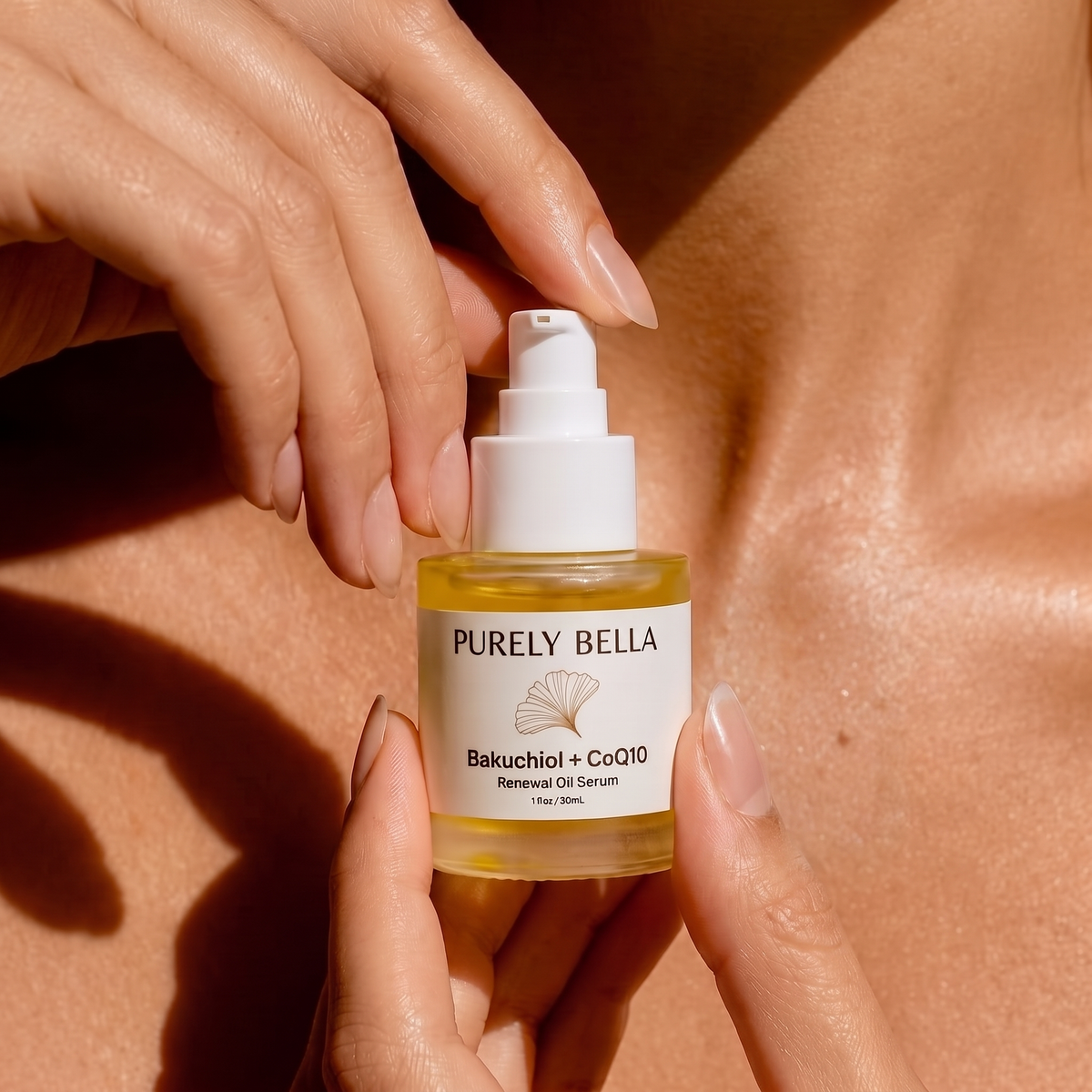
At Purely Bella Beauty, we've formulated with astaxanthin because we believe women 40+ deserve skincare that works with their skin, not against it. Gentle, effective, antioxidant-rich solutions designed for where you are now.
Explore our collection at purelybellabeauty.com