


How to Calm Sensitive Skin During Perimenopause After 40
By Cathi Carrier
When your favorite cleanser suddenly stings, or a product you have used for years leaves your face feeling warm and tight, it is easy to wonder what went wrong. Your skin is not failing, and you are not doing skincare incorrectly. During perimenopause, skin can become more changeable, which means a routine that once felt dependable may need a gentler rhythm.
Why perimenopausal skin can feel more sensitive
Hormonal changes can affect the way skin feels from day to day. You may notice more dryness, uneven comfort, surface shine, or a quicker reaction to products and weather. When your protective barrier is under strain, water can escape more readily and familiar formulas may feel stronger than they did before.
This is a time to listen rather than push harder. Pro-aging skincare is not about correcting every change. It is about supporting your skin so it can feel comfortable, cared for, and at home in the face you have today.
Four ways to calm sensitive skin after 40
1. Make cleansing a comfortable first step
Use lukewarm water and a gentle oil or cream cleanser at night with a soft microfiber wash cloth to remove makeup, sunscreen, and the day. Keep your touch light and pat your skin dry instead of rubbing. If your skin is dry or reactive, you may not need a thorough morning cleanse. A simple rinse or a gentle cleanse as needed can be enough to start the day comfortably.
2. Hydrate, then seal in comfort
Apply a hydrating mist or serum to slightly damp skin, then follow with a hydrating moisturizer that leaves your face feeling soft rather than tight. Think in layers instead of reaching immediately for the heaviest texture. You can add a little more moisturizer to drier areas and use less where you tend to feel shiny.
The right routine is allowed to change with the weather, your schedule, and your skin that morning. Flexibility is not inconsistency. It is responsive care.
3. Give active ingredients more breathing room
Exfoliants, retinoids, and other treatment products can have a place in a pro-aging routine, but sensitive skin often benefits from a slower introduction. Add one active at a time, begin with the frequency recommended on its label, and schedule recovery nights between treatment nights. Avoid starting several new products in the same week, so you can tell what your skin enjoys.
- Do not apply multiple strong treatments just because your skin looks dull.
- Pause an active if it causes persistent stinging, unusual tightness, or redness that lingers.
- Return to gentle cleansing, hydration, moisturizer, and daytime sun protection while your skin settles.
4. Treat sun protection as everyday support
Keep broad-spectrum sun protection in your morning routine, following the product label for application and reapplication. A hat and shade can be useful companions when you are spending time outside. These simple habits support a routine focused on comfort and an even-looking complexion without asking your skin to tolerate more treatment.
How to know when your routine needs a reset
Pay attention to the signals that show up after cleansing and the morning after a treatment night. Ongoing burning, itching, swelling, a rash, or irritation that does not settle is a reason to stop the product and seek guidance from a qualified healthcare professional. If your skin is simply feeling more delicate, reduce frequency and keep your routine simple for a few days.
Patch testing can also be a thoughtful step when you introduce something new, especially if your skin has become reactive. A small test does not guarantee that a product will work for everyone, but it gives you more information before a full-face application.
Let sensitive skin set the pace
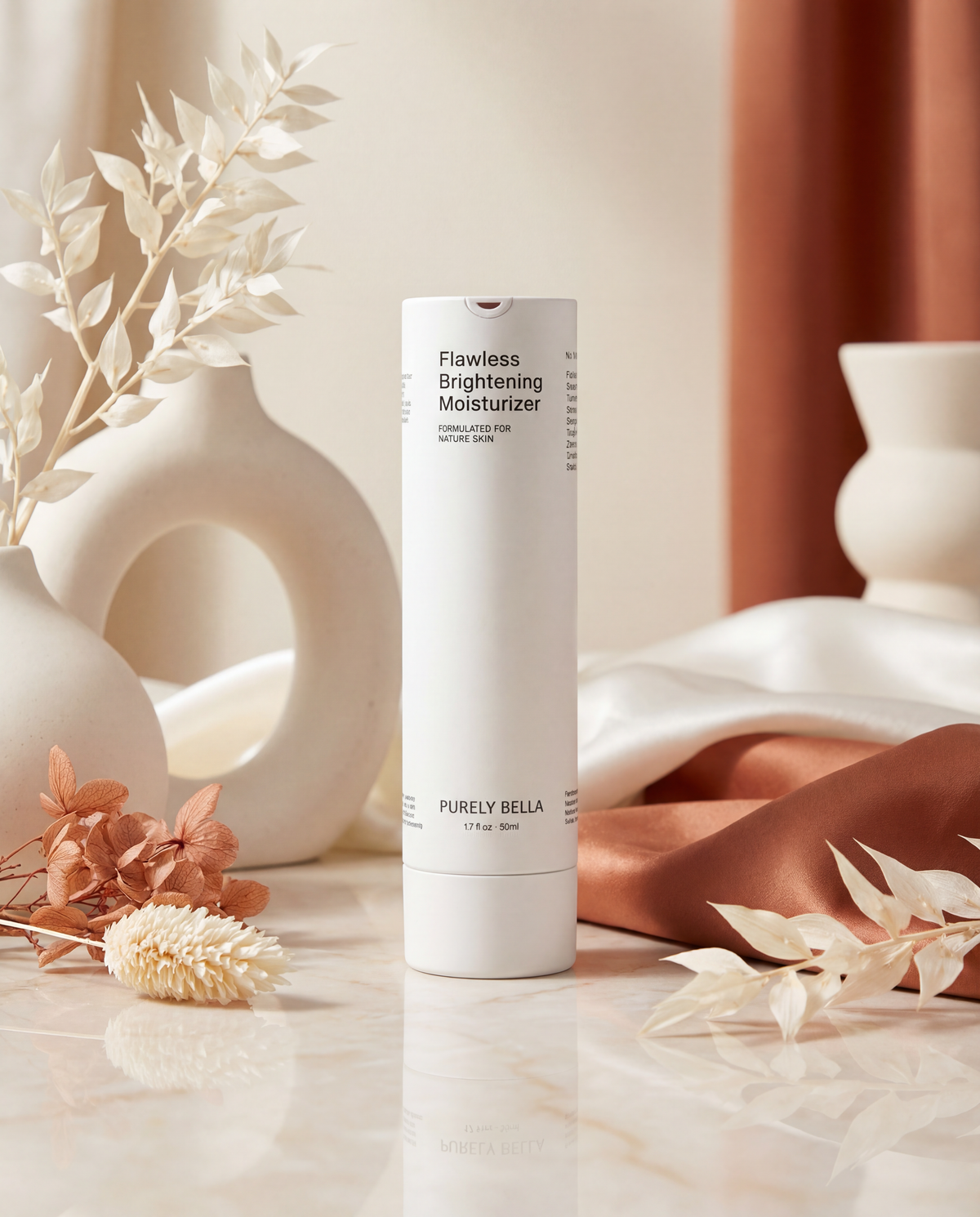
Your skin does not need to earn care by tolerating discomfort. Start with the basics, make one change at a time, and give your routine room to adapt. If you are looking for thoughtful, pro-aging skincare for changing skin, explore PURELY BELLA and find a gentle place to begin.