 ®


How to Read a Skincare Label After 40
If you have ever turned a jar around, stared at a long list of ingredients, and put it back down feeling more confused than before, you are not alone. After 40, skin changes, and the labels do not get any simpler. The good news is that you do not need a chemistry degree to read one. You need about two minutes and a few simple rules. I have spent 33 years caring for women's skin, and this is how I read a label.
Start at the top, because order matters
Ingredients are listed in descending order, highest concentration first, down to 1 percent. Below 1 percent, brands can list ingredients in any order. That means the first five or so ingredients tell you the most about what is actually in the jar. If water (listed as aqua) is first, that is normal. Most creams start there. What comes right after it is where the story begins.
Look for the workers, not the buzzwords
After 40, skin loses moisture faster and the barrier gets weaker, so I look for three kinds of ingredients. Humectants pull water in: glycerin and hyaluronic acid in its forms, like sodium hyaluronate. Emollients seal it in: shea butter and squalane. Barrier supporters help skin hold itself together: ceramides and niacinamide. If you see one or two of these near the top, the product is built to support your skin, not just sit on it.
Actives, gently does it
Actives are the ingredients doing a specific job. Vitamin C brightens. Retinyl palmitate is a gentle form of vitamin A that supports skin while you sleep, much kinder than stronger retinoids that can leave mature skin red and peeling. And astaxanthin, a natural antioxidant from the microalgae Haematococcus pluvialis, is one I reach for often because it helps skin look brighter and more even. One or two actives doing a clear job beats a long list of them fighting for attention.
Words that sound official but mean very little
Clean, natural, and dermatologist approved are marketing words, not guarantees. None of them is regulated the way most people assume. If a claim names no one and shows no proof, treat it as a promise the brand made to itself. The ingredient list is the honest part of the package. Trust it more than the front of the jar.
What to pause on
A strong fragrance near the top of the list is worth a pause if your skin is sensitive. Drying alcohols, listed as alcohol denat, high up can strip skin that is already losing moisture. And be careful with stacking: starting three new actives in the same week makes it impossible to know which one your skin liked and which one it did not. Change one thing at a time.
The two minute check
Here is the whole method. First, read the first five ingredients and ask what kind of product this is. Second, find one or two actives that match what your skin needs right now. Third, check that nothing in the top half is something your skin has reacted to before. That is it. You do not need to know every ingredient. You need to know the first few, the actives, and your own skin.
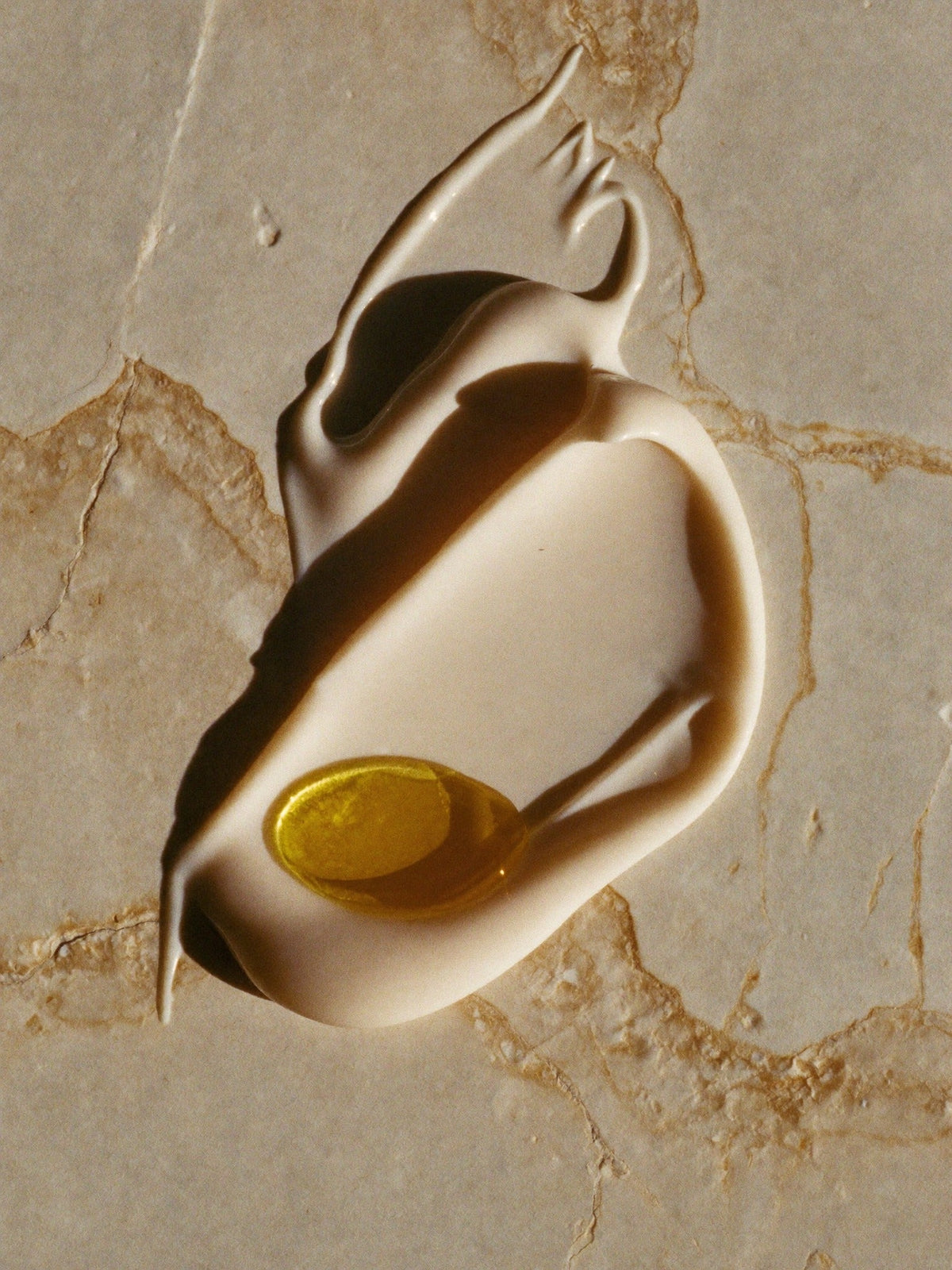
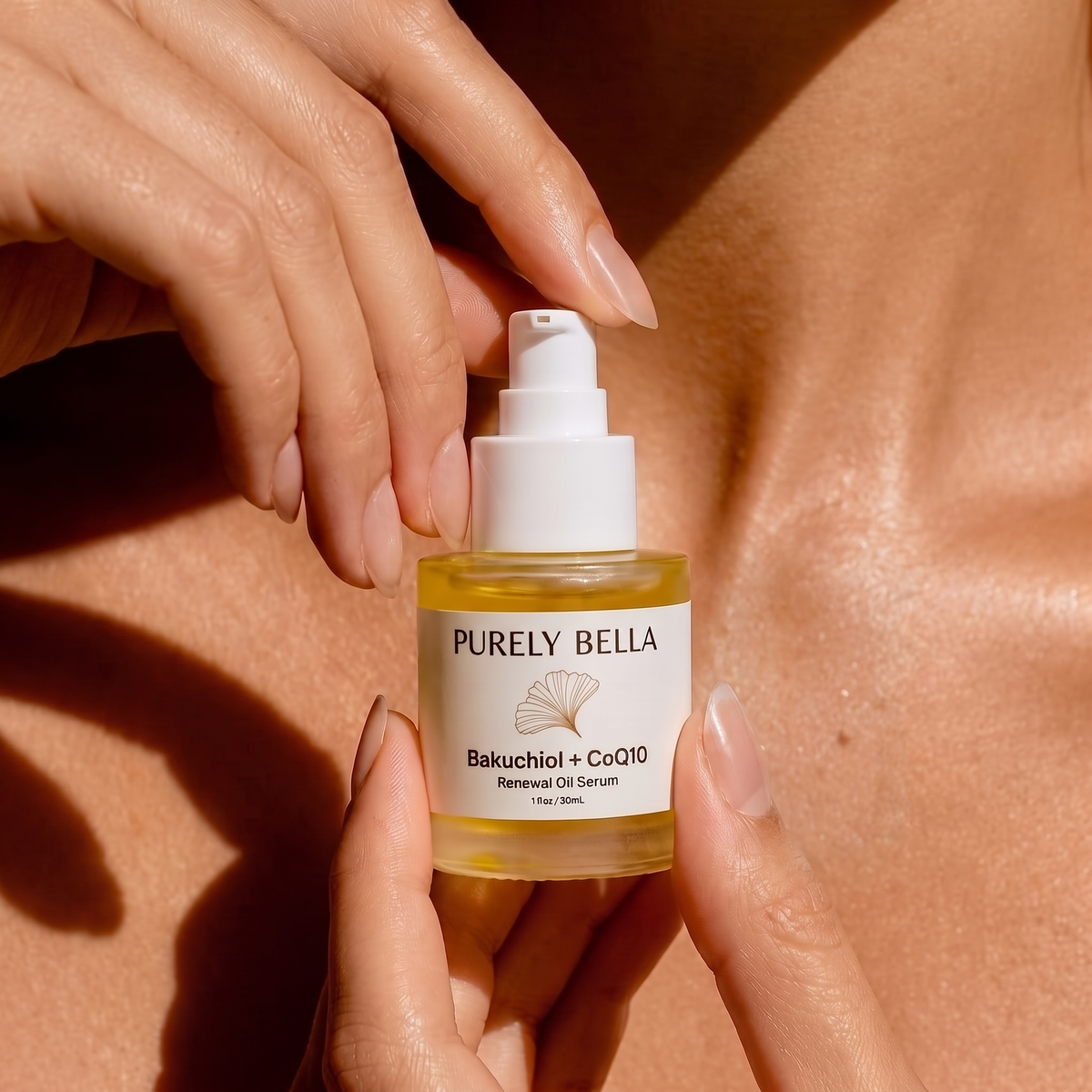
Your skin after 40 is not a problem to fix. It is skin that has changed and needs a different kind of support. Reading the label is how you make sure it gets it. That is the philosophy behind PURELY BELLA. If you want to see this approach in a bottle, our Flawless Brightening Moisturizer is built exactly this way: astaxanthin, shea butter, and squalane, with nothing shouting over them.
This is general skincare education, not medical advice. If you are managing a skin condition, check with your dermatologist first.

 ®