

Why Perimenopausal Skin Feels Dry and Oily at Once
By Cathi Carrier
Have you ever looked in the mirror and wondered how your skin can feel tight, look shiny, and react to everything all in the same week? You are not imagining it. During perimenopause, familiar skin patterns can become less predictable. The answer is not to label your skin as a problem or pile on more products. It is to understand the signals and build a routine that can flex with you.
Why your skin can feel dry and oily together
Hormonal shifts can influence oil production, hydration, and the way your skin barrier feels from day to day. You may notice more shine through the center of your face while your cheeks feel dry or easily irritated. Skin can also lose water more readily when its protective barrier is under strain, which may leave it feeling tight even when surface oil is present.
That combination can be confusing, but it does not mean you need separate, aggressive routines for every zone. Start with comfort. When skin feels supported, it is easier to tell what it needs next.
Read the clues your skin is giving you
Tightness after cleansing
If your face feels squeaky, stretched, or uncomfortable after washing, your cleanser or water temperature may be taking more than your skin wants to give. Choose a gentle cleanser, use lukewarm water, and pat your face dry instead of rubbing. In the morning, a thorough cleanse may not be necessary if your skin is dry or sensitive.
Shine with roughness
Shine does not always equal hydration. Your skin can have surface oil and still need water and barrier support. Rather than scrubbing until the rough feeling disappears, try a hydrating layer on slightly damp skin, followed by a moisturizer that leaves you comfortable. Give the routine time before adding another active.
Stinging or sudden sensitivity
When a product that once felt fine begins to sting, treat that response as useful information. Pause the newest active, simplify your routine, and focus on gentle cleansing, hydration, moisturizer, and daytime sun protection. If discomfort persists or you notice swelling, a rash, or ongoing irritation, stop the product and speak with a qualified healthcare professional.
Build a flexible pro-aging routine
A supportive routine does not have to be complicated. Think in priorities, then adjust the texture and frequency to match your skin that day.
- Cleanse with intention: Use a gentle cleanser at night to remove makeup and sunscreen. In the morning, cleanse only as needed.
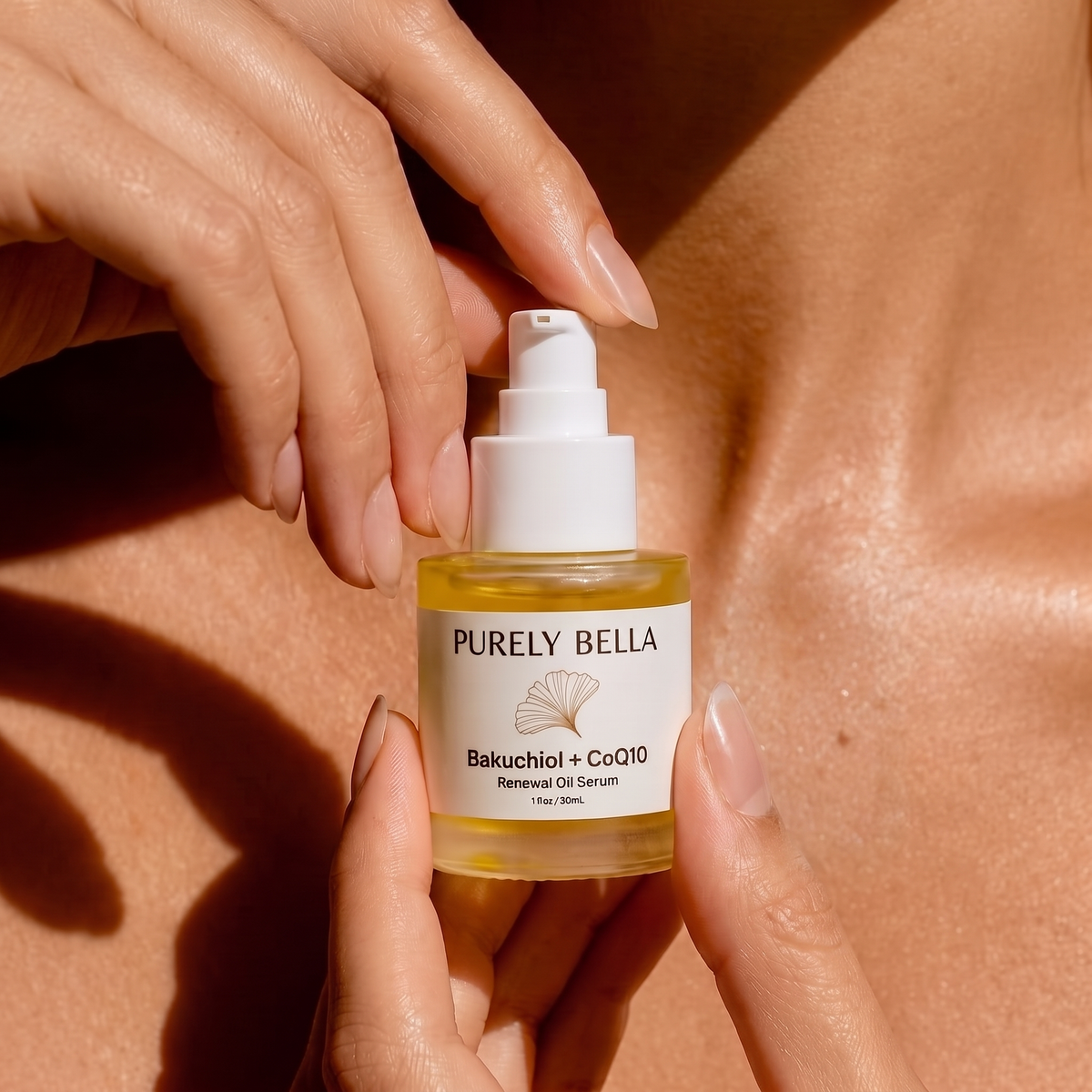
- Hydrate before you seal: Apply a hydrating mist or serum to slightly damp skin, then follow with moisturizer.
- Protect the barrier: Keep water lukewarm, avoid rough scrubs, and introduce only one new active at a time.
- Use treatments gradually: If you exfoliate or use another active, begin with less frequency and schedule recovery nights.
- Keep SPF consistent: Apply broad-spectrum SPF in the morning and reapply as directed on the product label.
Let your routine change with you
There is no single perimenopause skin type, and there is no prize for forcing your skin into one. Your forehead may want a lighter layer while your cheeks prefer more comfort. A humid day may call for less moisturizer, while a dry or windy day may call for more. This is not inconsistency. It is responsive care.
Notice how your skin feels after cleansing, how it responds to your treatment nights, and whether your moisturizer leaves you comfortable through the day. Small observations can help you make better choices than a long list of universal rules.
Skin that changes deserves care that listens
Perimenopause can change the conversation you have with your skin, but it does not have to make skincare feel like guesswork. Choose gentle support, protect your barrier, and let your routine evolve with your needs. For more pro-aging guidance and thoughtful products for changing skin, explore PURELY BELLA.